

Headphones Noise Cancelling - How Do They Work?
Active noise cancelling headphones employ electronic devices to monitor ambient sounds and invert their structure, resulting into waves that block out distracting peaks. Continuous noises like the low hum from trains or airplane engines are muffled, while sounds that are irregular that have different bandwidths are muffled.
With a headset with headphones that block out noise it is possible to walk into a noisy coffee shop to take a call with your coworkers being able to hear you.
1. Sound Quality
The sound quality of headphones is an important factor, regardless of whether they're noise cancellation or not. In general, more expensive headphones will have better sound quality, but this isn't always the case.
The most popular kind of headphones that block out ambient noise is active noise cancelling (ANC). This technology uses built in microphones to continuously listen to the surrounding environment and then creates a reversed version of the outside sound. The sound is transmitted through your speakers with your music and cancels out ambient noise so that you only hear your music.
ANC is effective at suppressing low-frequency sounds, such as the rumble of aeroplane engines and train tracks, however it can't completely eliminate background noise. The reason is that high-frequency sounds have shorter time-to-air distances than low-frequency sounds, and so can't be cancelled as easily. A good pair of ANC can reduce ambient noise and create a sound isolation that is ideal for listening to podcasts, or music.
Certain headphones have a transparency feature that lets you hear the world around you. This lets you have conversations and listen to the sounds without having to remove the headphones. Certain models support multi-device compatibility, so you can listen to music on your phone and also make calls using your tablet.
If you're looking for a pair of headphones that's more passively isolated from ambient sound, then check out our range of noise-isolating in-ear headphones. These headphones block out the majority of sounds from outside by sealing your ears. They don't require any battery-powered electronic components to function.
Some of our headphones in-ear feature smart functionality that learns about the places you visit over time, and then switches to a specific noise-cancelling profile to protect your hearing. This is why they're so popular with commuters on planes and trains, and can even be used to cut down the noise of your neighbour's lawnmower when you're at home. Sony Headphones Connect allows you to create individual noise-cancelling profile for different environments.
2. Noise Reduction
Noise cancelling headphones minimize the volume of background sound you hear, allowing you concentrate on your music or phone calls. They incorporate microphones to listen to the sounds of your surroundings and then create the opposite of those sounds which are put back into your ears, cancelling out. You'll be left with your own private island, except for the music you choose to listen to via your headphones.
A headphone's ability to reduce external noise is often advertised in decibels, but that number alone isn't the full story. The amount of ANC that a pair of headphones claims to offer depends on the quality of the headphones. Even two models claiming the same level of ANC will perform differently.
High-end headphones with active noise cancellation typically feature a lot of electronics, and this tends to drain the battery quickly. It's always a good idea to have a few spare batteries for any headphones that use this technology.
In general, the quality of a headphone's ANC is evident in its ability to cut out lower-frequency noises like train and airplane engines or your friend's animated chat (which can only be blocked out with passive isolation). There are more advanced methods of using ANC, and these are included in some of the top headphones.
One example is Bose's active Noise Cancelling that makes use of digital audio processing to adjust to your surroundings. Its new Aware mode is a more advanced version of this and will automatically adjust the ANC according to the sound around you.
The best earbuds for commuting or travelling are those that keep out ambient noise, while allowing you to hear important information like your alarm clock, phone calls, and notifications from apps on your phone. These earbuds also come with the best ANC, so you can focus on your work and unwind in noisy environments by listening to soothing music without stressing your ears. You can also utilize the EQ settings of your headphones to adjust how much of the outside world you want to pass through.
3. Comfort
The comfort features of headphones noise cancelling differ based on the design, but the best ones create a sonic buffer between your ears and the sounds outside. They block out background noises so you can enjoy your music without interruption. This is far better than cranking up the volume of your regular headphones which could cause damage to your ears.
There are two kinds: passive and Active. Passive noise isolation makes use of physical fit to block out ambient sounds before they reach the ears. This requires earpads that sit comfortably over the ear canal openings and the headband doesn't move when you move. Good headphones for passive isolation are typically tested for up to 30 hours of use.
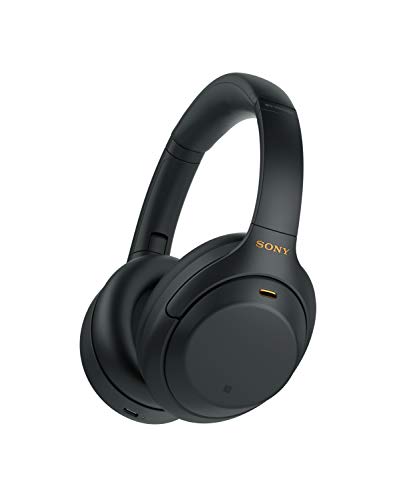
Active noise cancellation, also known as ANC headphones utilize electronics inside to hear ambient sounds and generate noise reduction. The headphones accomplish this by creating an equal-amplitude sound that is 180 degrees out of phase. The waves cancel each other, resulting in a tranquil slumber of silence, save for whatever music you're listening to. The technology behind ANC however, isn't flawless. It is unable to handle high-pitched sounds like the hum of an aircraft engine, and sounds that change, such the squealing of tires on the road.
It is recommended to contact the airline or railway company before using headphones that have ANC. Some have requirements specific to headphones that can be used onboard for example, making sure they don't disturb other passengers and allow all access to the entertainment systems.
If you're headed to the gym, you'll want a comfortable pair of noise isolation headphones that can keep up with your exercise and get you motivated. Look for Bluetooth headphones that have wireless connectivity and features that let you make calls, listen to podcasts or listen to music. Some come with voice assistants that can answer questions about your workout routine or weather, and others have a quick attention mode that allows you to put your hands over the earcup to pause your music and pipe in ambient noise to make quick calls.
4. Noise Cancellation
The best noise cancelling headphones can eliminate ambient sounds like an airplane engine, or a car tire roaring on the highway. They can also block out chatter from your companion on trains. Noise-canceling headphones work by using microphones to detect and analyze the sound waves from outside. They then create an inverse of these sound waves by sending a signal that's the opposite of the unwanted noise when it hits your ear. This cancels out both sounds so that you can listen to your podcasts or music.
best over the ear headphones noise cancelling is known as active noise cancellation (ANC) and works by detecting the sound that surrounds you with tiny microphones incorporated into the earcups of your headphones or earbuds. The information is then transmitted to an electronic processor onboard which converts the sound waves into an anti-sound wave that's created by emitting a pair of identical signals--one that's a peak when it's hitting your ear, and the other that's a Trough. The peak and troughs are canceled out, and you'll hear nothing but your music or other audio.
Some headsets have digital ANC while others use passive and active noise reduction to give the most effective results. The better the headphones, the more effective the ANC will be.
Noise cancelling headphones can reduce ambient noises however they aren't perfect. They're particularly helpful in the face of continuous sounds like jet engines or the hum of trains or traffic, but they might not cut out all the high-frequency sounds from your coworkers in the breakroom or your seatmate's laughter on the plane.
It is also important to be aware of the volume you listen to music as well as other audio. Both the U.S. Environmental Protection Agency (EPA) and the World Health Organization (WHO) recommend that you listen to music or audio at 70 decibels, or less, to avoid hearing loss. Most manufacturers have moved toward all-purpose headphones that can be used for all types of listening So, look for headphones that are specifically designed to ensure that you get the best audio quality with noise cancellation, as well as other features you may need. Also, you should consider how the headphones fit around your neck and ears, as this will affect the level of comfort they provide and if they can shield your ear from external sounds.